Green Text Effect: A Bold and Visually Striking Design Choice
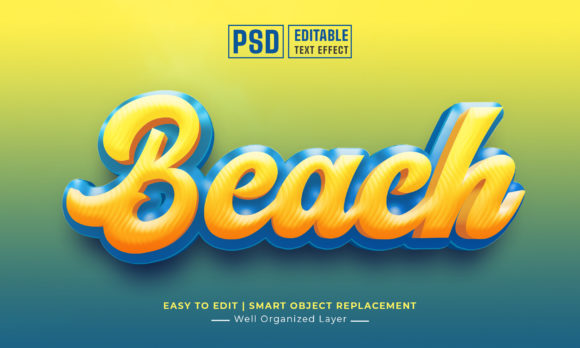
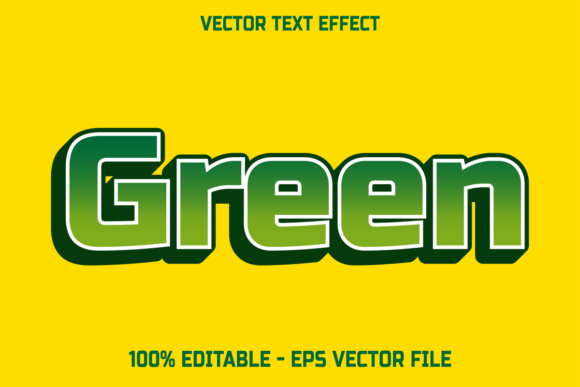
The Green Text Effect is a design technique that uses vibrant green text to create visual impact, often paired with contrasting backgrounds for maximum readability and aesthetic appeal. This effect has gained popularity in digital design, branding, and content creation due to its ability to capture attention and convey energy. When combined with a yellow background and 3D styling, the Green Text Effect becomes even more dynamic, offering a unique visual experience that stands out in both online and print media.
Understanding the Green Text Effect involves recognizing its role in visual communication. It is not just about color; it's about how that color interacts with other elements on the page. The combination of green text on a yellow background can evoke feelings of vitality, creativity, and innovation. This makes it particularly appealing for projects targeting younger audiences or those looking to make a bold statement.
Key Characteristics of Green Text Effect
The Green Text Effect is defined by several key characteristics that contribute to its effectiveness. First, the use of green as a primary color provides a strong visual contrast against many backgrounds, especially when paired with a yellow backdrop. This contrast enhances legibility, making the text easier to read and more engaging for viewers.
Second, the 3D styling adds depth and dimension to the text, making it appear more prominent and interactive. This style can be achieved through various design tools and software, allowing creators to experiment with different levels of shading, lighting, and texture. The result is a text element that not only looks good but also feels more immersive.
Third, the Green Text Effect is highly versatile. It can be used in a variety of contexts, from website headers and social media posts to marketing materials and product packaging. Its adaptability makes it a valuable tool for designers looking to maintain a consistent visual identity across multiple platforms.
Purpose and Practical Value
The purpose of the Green Text Effect goes beyond aesthetics. It serves as a powerful tool for communication, helping to draw attention to important information or calls to action. In marketing, for example, using green text on a yellow background can make a headline stand out, increasing the likelihood that viewers will engage with the content.
In addition to its visual appeal, the Green Text Effect can also enhance user experience. By creating a clear hierarchy of information, it helps users navigate content more efficiently. This is especially useful in web design, where visual clarity can significantly impact user retention and conversion rates.
From a practical standpoint, the Green Text Effect is easy to implement with modern design software. Tools like Adobe Photoshop, Illustrator, and Canva offer features that allow users to apply 3D effects and customize colors to achieve the desired look. This accessibility makes the Green Text Effect a viable option for both professionals and hobbyists.
Real-World Performance and Considerations
In real-world applications, the Green Text Effect can deliver impressive results when used appropriately. However, it is important to consider factors such as color theory, readability, and audience preferences. While green and yellow are bright and eye-catching, they may not be suitable for all types of content or industries.
For instance, in professional or formal settings, the Green Text Effect might come across as too informal or distracting. In such cases, it may be better to use more subdued colors or simpler text styles. On the other hand, for creative or youth-oriented projects, the Green Text Effect can be an effective way to express personality and energy.
Another consideration is the consistency of the design. If the Green Text Effect is used throughout a project, it should be applied uniformly to maintain a cohesive look. Inconsistent use can lead to a cluttered or unprofessional appearance, which may undermine the intended message.
Strengths and Limitations
The Green Text Effect offers several strengths that make it a compelling choice for designers. One of its main advantages is its ability to create a strong visual impact. This can be particularly beneficial in environments where competition for attention is high, such as social media or online advertisements.
Additionally, the Green Text Effect is highly customizable. Designers can adjust the shade of green, the intensity of the 3D effect, and the overall composition to suit specific needs. This flexibility allows for a wide range of creative possibilities, making it a valuable asset in any designer's toolkit.
However, there are also limitations to consider. For example, the Green Text Effect may not be accessible to all users, particularly those with visual impairments. Designers should ensure that the color contrast meets accessibility standards to avoid excluding potential viewers.
Another limitation is the potential for overuse. When applied excessively, the Green Text Effect can become overwhelming or lose its effectiveness. It is important to use it strategically and in moderation to maintain its impact and relevance.
Who Benefits Most from Green Text Effect
The Green Text Effect is particularly beneficial for individuals and organizations that prioritize visual storytelling and brand differentiation. Entrepreneurs, marketers, and content creators can use this effect to make their work stand out in a crowded digital landscape. It is especially useful for those targeting younger demographics who are more likely to respond to bold and innovative designs.
Freelancers and small business owners may also find the Green Text Effect useful for creating eye-catching portfolios, promotional materials, and client presentations. By incorporating this effect into their work, they can demonstrate a higher level of creativity and professionalism, which can help them attract new clients and opportunities.
Educators and trainers can use the Green Text Effect to enhance the visual appeal of learning materials, making them more engaging for students. This can be particularly effective in online courses, e-learning modules, and interactive presentations where visual interest is crucial for maintaining attention.
Recommendations and Final Thoughts
For those considering the Green Text Effect, it is recommended to start with small-scale experiments before applying it broadly. Testing different variations of the effect can help determine what works best for a particular project or audience. This approach allows for adjustments based on real feedback and performance metrics.
When implementing the Green Text Effect, it is also important to consider the overall design scheme. The text should complement other elements on the page rather than compete with them. Balancing the Green Text Effect with other visual components can lead to a more harmonious and effective design.
In conclusion, the Green Text Effect is a powerful and versatile design choice that can enhance visual communication in a variety of contexts. When used thoughtfully, it can add energy, clarity, and creativity to any project. Whether you're a designer, marketer, or content creator, exploring the Green Text Effect can open up new possibilities for expression and engagement.