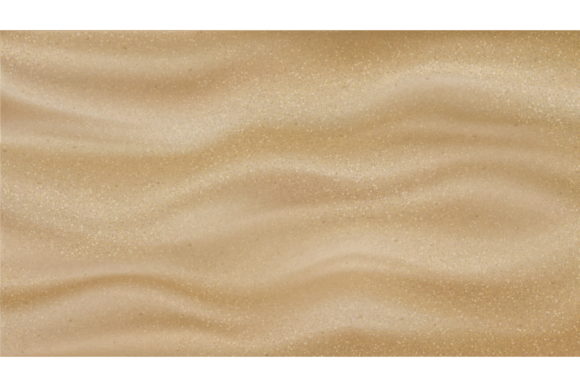
Desert Sand with Waves Pattern in Modern Design and Natural Aesthetics
The interplay of natural elements and artistic design has long fascinated creators and designers. Among the most compelling textures is the Desert Sand with Waves Pattern, a visual representation of the dynamic forces that shape arid landscapes. This pattern, often paired with a Desert Sand With Waves Pattern Background Vector, offers a unique blend of organic beauty and structured form. When combined with materials like Rough Grainy Sand Quartz Material or Silica Gravel, it becomes a powerful tool for both aesthetic and functional applications.
The Desert Sand with Waves Pattern captures the essence of a shifting dune landscape, where wind and time sculpt the surface into undulating forms. These patterns are not only visually striking but also deeply rooted in natural processes. They reflect the way sand moves across vast deserts, creating intricate, wave-like formations that can be both chaotic and harmonious. This duality makes them ideal for a wide range of creative and practical uses.
Characteristics of Desert Sand with Waves Pattern
One of the defining features of the Desert Sand with Waves Pattern is its texture. The pattern mimics the rough graininess of real sand, often enhanced by the presence of Rough Grainy Sand Quartz Material. This material adds a tactile dimension to the visual, making it suitable for both digital and physical applications. Whether used in graphic design, product packaging, or architectural mockups, the texture contributes to a sense of realism and depth.
The pattern's wave-like structure also plays a role in its visual appeal. Unlike static designs, the waves suggest movement and energy, drawing the viewer’s eye across the surface. This quality is particularly valuable in Beach Design Mockup projects, where the goal is to evoke the feeling of a natural, unspoiled landscape. The use of Silica Gravel in such designs enhances the authenticity, as it closely resembles the composition of real desert sands.
Another characteristic of the Desert Sand with Waves Pattern is its versatility. It can be adapted to various scales and contexts, from large-scale murals to small product details. Its ability to blend with other elements—such as watercolor textures, metallic accents, or minimalist lines—makes it a flexible choice for designers seeking to create cohesive and impactful visuals.
Applications of Desert Sand with Waves Pattern
The Desert Sand with Waves Pattern finds application in multiple industries, each leveraging its unique qualities in different ways. In the realm of Nature Sandy Wilderness Landscape design, it serves as a foundational element for creating immersive environments. Whether for virtual reality experiences, film set designs, or outdoor installations, this pattern helps establish a connection between the viewer and the natural world.
In the field of 3D Illustration, the Desert Sand with Waves Pattern is often used to simulate realistic terrain. By incorporating it into digital models, artists can add depth and detail that would be difficult to achieve through other means. The pattern’s ability to mimic the irregularities of real sand makes it an essential tool for creating lifelike environments in video games, animations, and architectural visualizations.
For Graphic Design and Print Media, the Desert Sand with Waves Pattern provides a rich, textured background that can elevate the overall aesthetic of a project. It is commonly used in magazine layouts, book covers, and promotional materials to convey a sense of rugged elegance. When paired with a Desert Sand With Waves Pattern Background Vector, it offers a scalable and editable option that maintains quality at any size.
Design Considerations and Best Practices
When working with the Desert Sand with Waves Pattern, it is important to consider how it interacts with other design elements. The pattern should complement rather than overpower the overall composition. This means carefully selecting colors, fonts, and layout structures that enhance the visual harmony of the design.
Additionally, the choice of file format plays a crucial role in the effectiveness of the pattern. Formats such as JPG and EPS offer different advantages depending on the intended use. JPGs are ideal for web-based applications due to their compact size and high-quality compression, while EPS files are preferred for print and vector-based projects because they maintain sharpness and scalability.
Another consideration is the resolution of the pattern. High-resolution versions are necessary for large-format prints or detailed 3D illustrations, while lower-resolution options may suffice for digital use. Ensuring that the pattern is properly aligned and repeated without visible seams is also essential for maintaining a professional appearance.
Real-World Examples and Observations
Many successful design projects have incorporated the Desert Sand with Waves Pattern to great effect. For instance, a recent Beach Design Mockup for a luxury resort utilized this pattern to create a backdrop that mirrored the natural environment surrounding the property. The result was a visually cohesive and immersive experience that resonated with potential guests.
In another example, a 3D Illustration project focused on desert ecosystems used the Desert Sand with Waves Pattern to represent the terrain in a wildlife documentary. The pattern added a layer of realism that helped viewers better understand the challenges faced by desert flora and fauna.
These examples highlight the adaptability of the Desert Sand with Waves Pattern and its ability to enhance both the visual and narrative aspects of a design. Whether used in a subtle background or as a central feature, it brings a sense of authenticity and depth that is difficult to replicate with other textures.
Conclusion
The Desert Sand with Waves Pattern is more than just a decorative element—it is a powerful tool that bridges the gap between nature and design. Its unique characteristics, combined with the right materials and techniques, make it a versatile choice for a wide range of applications. From Nature Sandy Wilderness Landscape projects to 3D Illustration and Graphic Design, this pattern continues to inspire and inform creative work across industries. As designers and creators continue to explore new ways to incorporate natural elements into their work, the Desert Sand with Waves Pattern remains a valuable and enduring reference.